

 Sign in

Nouveau billet
In sport, we readily talk about training, nutrition, hydration, stretching or equipment. Sleep, on the other hand, sometimes takes a back seat, as if it were merely a moment of rest between two sporting activities. Yet, it plays a central role in recovery.
After exertion, the body doesn’t simply “take a break.” It has to repair the tissues that were stressed, restore nervous balance, replenish its reserves, regulate inflammation and absorb the training load. And a large part of this work happens during sleep. That’s why a good night’s sleep can sometimes be more useful than a long series of poorly used recovery techniques.
In this article, we take a closer look at sleep recovery in sport: what really happens during the night, the important phases, the effects of sleep deprivation on performance, and also the good habits to adopt to sleep better before and after exercise.
Why is sleep a pillar of sports recovery?
Sleep is often presented as the number one recovery lever, and it’s no coincidence. Unlike other, more occasional methods, it works deeply on the whole body. During the night, the body gradually lowers its activity level, reorganizes certain functions, consolidates motor learning and allows tissues to better absorb the load received during the day.
After an intense session, a long outing or a competition, muscles need time to repair. Energy reserves also have to be replenished, notably through appropriate nutrition. The nervous system, for its part, needs to regain availability. In short, recovery isn’t only about the legs or the visible muscles: it also affects coordination, concentration, hormonal balance and the ability to repeat a quality effort.
DID YOU KNOW?
You sometimes hear that recovery is about “eliminating toxins.” Although this expression is common, it remains somewhat imprecise… It’s more accurate to say that the body gradually returns to balance after exertion, managing metabolic waste, the normal inflammation linked to physical activity and tissue repair. Sleep plays a full part in this return to calm.
Sleep, growth hormone and muscle repair
The link between sleep and muscle repair is often associated with growth hormone. This hormone is involved in many processes of repair, growth and regulation. Its secretion is notably favored during certain phases of deep sleep.
This mechanism shouldn’t be oversimplified, however. Sleeping doesn’t “repair” all the damage from a hard session in a single night… On the other hand, insufficient or poor-quality sleep can clearly disrupt the environment the body needs to recover properly.
That’s why sleep should be seen as a foundation. Hydration, nutrition, massage, cold or compression can support recovery, but they can’t make up for nights that are too short in the long run. If the body is short on sleep, it becomes harder to string sessions together, to regain good sensations and to maintain steady progress.
Sleep cycles in athletes
A night isn’t a uniform block. It is made up of several cycles, which alternate between different sleep phases. Each one plays a specific role in recovery.
Deep slow-wave sleep: physical recovery
Deep slow-wave sleep is often associated with physical recovery. It’s a phase during which the body slows down markedly: heart rate decreases, breathing stabilizes, muscles relax further and the body enters a state that favors repair.
For an athlete, this phase is precious. It helps absorb intense effort, better tolerate training loads and regain a satisfactory level of physical readiness. After a very demanding session, a long race, a hike with a lot of elevation gain or a day of skiing, this deep sleep becomes particularly important.
REM sleep: mental recovery
REM (paradoxical) sleep is more closely linked to mental recovery, memory, emotions and certain types of learning. For athletes, this is no minor point. Technical movement, coordination, decision-making, concentration and stress management also depend on a rested brain.
A lack of sleep can therefore have very concrete effects: poorer reaction time, more frequent mistakes, a feeling of mental fatigue, difficulty staying clear-headed during effort, and so on. In technical, team or endurance sports, this dimension can make a real difference.
How many hours should you sleep when you exercise?
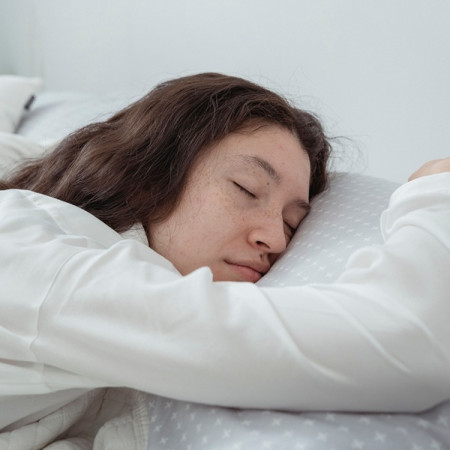
For an adult, a baseline of 7 to 9 hours of sleep per night is often cited. For athletes, this benchmark may not be enough depending on training intensity, weekly volume, age, competition period or accumulated fatigue.
It isn’t unreasonable, then, to need more sleep during a period of heavy load. After a very busy week, a conditioning camp, a competition or a demanding return to sport, the body may call for more rest. The right indicator isn’t just the number of hours displayed on a watch or an app, but also the quality of your waking, your energy level during the day and how you feel during warm-up.
Practical example: if you have a big running session planned for Sunday morning, it’s better not to rely solely on the Saturday-to-Sunday night. A good strategy is to take care of the two previous nights as well: if the pre-race night turns out to be mediocre because of stress, your body will already have a small recovery reserve.
The consequences of sleep deprivation on performance
Sleep deprivation isn’t always felt immediately. You can sometimes have a good session after an average night. The problem mostly appears when short nights pile up. Little by little, fatigue sets in, recovery becomes less complete and the body tolerates loads less well.
In sporting terms, the effects of sleep deprivation can be numerous:
- Reduced alertness,
- Longer reaction time,
- Less precise coordination,
- Higher perceived effort,
- Reduced endurance,
- Loss of explosiveness,
- Lower motivation.
This isn’t necessarily dramatic at first, but the accumulation often ends up taking its toll…
The risk of injury can also increase as fatigue sets in. An athlete who sleeps poorly recovers less well, but also controls their movements less well. Footing sometimes becomes less precise, reflexes less effective, concentration more fragile. In sports like trail running, hiking, skiing or team sports, that can be enough to multiply small mistakes.
Finally, sleep also plays a role in the functioning of the immune system. When it is insufficient over several days, the body can become more vulnerable to infections, especially during periods of intense training. Here again, sleeping isn’t a luxury: it’s part of the work.
Factors that disrupt athletes’ sleep
Athletes aren’t always the ones who sleep best. Late training sessions, a competition the next day, excitement after exertion, muscle soreness, travel, screens, a meal that’s too heavy or mental stress can all disrupt falling asleep.
Late training sessions
Training in the evening isn’t necessarily a problem for everyone. Some people sleep very well after a late session. However, intense activity done too close to bedtime can keep the body in a state of alertness: elevated body temperature, heart rate still high, nervous excitement, difficulty “coming back down.”
In that case, it can be useful to plan a longer cool-down, a lukewarm shower, an easily digestible meal and a calm routine before going to bed. The aim isn’t to impose a strict rule, but to observe what really works for you.
Stress before a competition
The night before a competition, it’s common to sleep less well. You think about the alarm, the start, the weather, the gear, the course. This famous sleepless pre-race night worries many athletes, but it isn’t necessarily dramatic if the previous nights were good.
The most important thing is therefore not to panic. A single bad night doesn’t automatically ruin a race. On the other hand, several mediocre nights before a goal can weigh more heavily. That’s why it’s often more effective to prepare your sleep over the whole week beforehand, rather than betting everything on the last night.
Screens, caffeine and heavy meals
Late-night screens, notifications, back-to-back videos and bright light can delay falling asleep. The same goes for caffeine, especially for people who are sensitive to it. A coffee taken late in the afternoon can still interfere with sleep several hours later…
Dinner matters too. A meal that’s too heavy, too fatty or too late can make it harder to fall asleep, especially after an evening session. Conversely, going to bed too hungry isn’t ideal either. As is often the case in recovery, balance is more effective than extreme rules.
Cold feet, tension and muscle soreness
Physical factors also play an important role. Sore calves, stiff quadriceps, back discomfort or cold feet can delay falling asleep. That last point may seem trivial, but it isn’t always: when the extremities stay cold, it can be hard to find enough comfort to fall asleep.
In that case, choosing suitable socks can help, provided they don’t squeeze the foot. A sock that is soft, warm, breathable and well fitted makes it easier to feel comfortable again. For people who feel the cold, warm socks, merino wool socks or extreme cold socks can make sense depending on the use, the season and how sensitive you are to the cold.
Best practices to optimize your sleep
Improving your sleep doesn’t necessarily mean overhauling your entire daily life. It’s often regular habits that make the difference.
Building a real bedtime routine
The body likes landmarks. Going to bed and getting up at relatively stable times helps establish a more predictable rhythm. Before bed, it’s also useful to create a transition phase: softer lighting, limited screens, reading, calm breathing, getting your things ready for the next day.
Bedroom temperature matters too. A room that’s too hot can harm sleep. A cool, well-ventilated and quiet bedroom generally promotes better sleep onset. In winter, though, you need to find the right balance: a cool bedroom doesn’t mean shivering in bed.
Adapting your diet and hydration
After sport, you need to drink and eat enough to recover, but without turning the evening into a difficult digestion. A simple, complete and easily digestible dinner often remains the best compromise. It should provide enough to replenish reserves without needlessly weighing down your sleep.
Hydration should also be spread out sensibly. Drinking a lot right before going to sleep can multiply nighttime awakenings. It’s better to rehydrate gradually after exertion, then cut back on large quantities of liquid late in the evening.
Napping: yes, but do it right
A nap can be useful when the night was short, after an intense session or during a period of heavy load. That said, it has to be placed at the right time! A short nap, often around 20 to 30 minutes, can help you recover without causing too much grogginess on waking.
For some athletes, a longer nap can also be worthwhile, especially when the sleep debt is significant. On the other hand, if it’s too late in the day, it can delay falling asleep in the evening. Again, it’s worth observing how you react to this short moment of rest.
Easing tension before sleep
If muscle soreness or tension keeps you from falling asleep, it can be useful to plan a few gentle actions: a light walk, mobility work, moderate self-massage, a lukewarm shower or calm breathing. The aim isn’t to put yourself through another session, but to help the body wind down.
For efforts that heavily tax the legs, such as trail running or hiking, sleep becomes even more important in the days that follow. Our articles on recovering after a trail run and recovering after a hike let you go further on these specific cases.
Sleep and specific periods
Depending on your activity level, your physical condition or your current state of fatigue, sleep can take on an even greater role in sports recovery.
Before a competition
Before a competition, the goal isn’t to chase a perfect night at all costs. The more pressure you put on yourself to sleep, the harder sleep can become to find. It’s better to lay the groundwork several days ahead: regular schedules, gear ready in advance, a simple meal, fewer screens, and an early wake-up to avoid last-minute stress.
If the night before the race is a bad one, stay calm. A single short night doesn’t necessarily jeopardize everything, especially if recovery in the previous days has been sound. On the other hand, you should avoid piling up insufficient nights in the week before.
During an intense recovery phase
After a competition, a big outing or a heavy training period, sleep should become a priority. If you sleep more than usual for two or three nights, it isn’t necessarily worrying. The body may simply need more time to absorb the effort.
On the other hand, if fatigue remains very pronounced despite several long nights, if sleep becomes restless, or if performance drops for no apparent reason, this may point to incomplete recovery. In that case, you should reduce your workload and get back to basics.
During an injury
When you’re injured, sleep also plays an important role. Tissue repair takes time, energy and a favorable environment. An injury can also disrupt your nights, especially when the pain is sharp enough to wake you or to keep you from finding a comfortable position.
It’s then important not to see rest as wasted time. Sleeping properly, adapting your activity, following your healthcare professional’s advice and allowing yourself a gradual return are an integral part of getting back to sport.
Summary table: sleep and sports recovery
| Situation | What can disrupt sleep | Good reflex |
| After an intense session | Nervous excitement, elevated body temperature, muscle soreness | Plan a cool-down, an easily digestible dinner and a soothing routine |
| Before a competition | Stress, fear of sleeping badly, very early wake-up | Prepare your gear in advance and focus above all on the preceding nights |
| After a long race | Nervous fatigue, aches, hunger or digestive discomfort | Sleep more, take a short nap if needed and reduce the training load |
| During periods of heavy training load | Accumulated fatigue, lower motivation, less restorative sleep | Lighten some sessions and stabilize bedtimes |
| In winter | Cold feet, cold hands, discomfort in bed | Keep the bedroom cool but comfortable, and wear warm, non-compressive socks if needed |
FAQ: sleep recovery in sport
Why is sleep so important for recovering after sport?
Sleep allows the body to gradually return to balance after exertion. It contributes to muscle repair, nervous recovery, fatigue regulation and mental readiness for the next sessions.
How many hours of sleep do you need when you exercise?
For an adult, 7 to 9 hours is often a good baseline. But an athlete may need more during periods of intense training, after a competition or during a recovery phase. The right benchmark also remains the quality of your waking and how you feel during the day.
Is it a problem to sleep badly the night before a competition?
A single bad night isn’t necessarily dramatic, especially if the previous nights were decent. It’s better to avoid panicking and to focus on what remains under your control: hydration, warm-up, pacing, your start-line routine, and so on.
Does a nap really help you recover?
Yes, a nap can help, especially after a short night or during a period of fatigue. A short nap, around 20 to 30 minutes, is often enough to recover without disrupting the following night too much.
Why do heavy legs sometimes keep you from sleeping?
After intense exertion, legs can remain stiff, sore or uncomfortable. This physical discomfort sometimes delays falling asleep. A gentle walk, a lukewarm shower, a light self-massage or a short leg elevation can help you feel more comfortable.
Should you wear socks to bed when you have cold feet?
If cold feet keep you from falling asleep, wearing soft, warm, non-compressive socks can help you regain a feeling of comfort. The key is to choose a pair that is pleasant, breathable, well fitted and suited to the season.
Sleep recovery for athletes: key takeaways
Sleep recovery in sport shouldn’t be treated as a mere detail. It is one of the most solid pillars for absorbing training, regaining good sensations, limiting nervous fatigue and reducing the risk of mistakes or injuries linked to accumulated fatigue.
Sleeping well doesn’t replace appropriate nutrition, good hydration or a gradual return to activity. On the other hand, no recovery method will truly make up for nights that are too short or too irregular. Sleep remains the foundation on which the other levers are built!
Finally, small comfort factors shouldn’t be overlooked. Muscle soreness, a bedroom that’s too hot, a meal that’s too heavy or cold feet can be enough to delay falling asleep. In sport as in daily life, sleeping better often starts with simple actions repeated consistently.
Related posts

Photo: Trail des Cimes After a workout, we often think about the performance we delivered, the...

When temperatures drop, natural materials naturally come back into the spotlight. Sweaters,...

Cashmere is one of those materials spontaneously associated with softness, warmth, and a certain...

When it comes to trail running, there is a lot of talk about preparation, effort management,...
There was a time when high socks were associated with military uniforms, school wardrobes, or...

Some shoes immediately impose themselves, while others require a little more precision to reveal...

When a garment causes itching, redness, or a feeling of discomfort, we often tend to immediately...
Long appreciated for their practical side, socks have now become an essential accessory in any...

If you’re wondering what outfit you need for cross-country skiing, keep one simple idea in mind:...

When wondering what outfit to choose for ski touring, keep one key point in mind: ski touring is...