

 Sign in

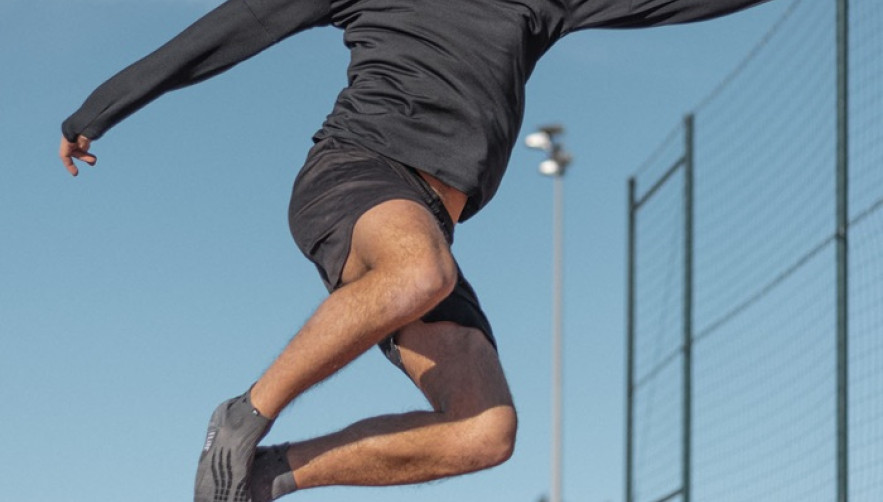
What water should you drink after exercise? Our tips for a better recovery
After a workout, our first instinct is often to quench our thirst. A bottle of cool water, a few big gulps at the fountain or a bottle of mineral water pulled from your bag… In the moment, it hardly matters where the water comes from, as long as it satisfies your thirst! Yet when it comes to sports recovery, not all habits are equal…
Physical activity causes losses of water and minerals, and how much you lose depends on the length of the effort, its intensity and the weather. A 30-minute run in cool weather therefore does not call for the same intake as a trail race of several hours in scorching heat. And contrary to popular belief, drinking more does not always mean recovering better.
So, what water should you drink after exercise? Should you choose still, mineral or sparkling water? Is tap water enough? And what about the supposed benefits of ice-cold or salty water? In this article, we review the right hydration habits before, during and after exercise, to help you support your recovery.
Why is it important to drink water after exercise?
During physical activity, your muscles produce heat. To keep body temperature from rising too much, the body sweats. As it evaporates from the skin, sweat helps cool the body down, but it also causes a loss of water and mineral salts.
These losses vary from one athlete to another… They depend on many factors, including outdoor temperature, humidity, training intensity, session length and individual sweating patterns. Some runners lose much more water than others, even when doing a similar activity!
Drinking water after exercise helps make up for part of these losses and gradually restores the body's fluid balance. This matters most when you have sweated heavily and the water you drank during the effort was not enough to offset what you lost through your skin.
How does hydration help recovery?
Water plays a part in many physiological functions. It helps transport nutrients, maintain blood volume, regulate body temperature and keep muscles working properly.
Significant dehydration can lead to unusual tiredness, headaches, dizziness, a greater sense of effort or reduced physical performance. If you want to get back to training quickly, restoring proper hydration is therefore a priority.
That said, water should not be credited with properties it does not have. While drinking water after exercise is essential to replace fluid losses, muscle recovery also depends on other factors, notably diet, sleep and rest. We explain this in our article on good recovery practices after exercise.
And what about cramps?
Cramps are often blamed on a lack of water or magnesium. Yet their causes are more complex than they seem. Neuromuscular fatigue, unusual efforts, exercise intensity and environmental conditions can also trigger them.
Significant dehydration or high mineral losses can play a role in some situations, but not all cramps are caused by a lack of hydration. Drinking large amounts of water after a session is therefore not a foolproof way to prevent them.
What water should you drink after exercise?
This is probably the question athletes ask most often: should you choose a particular water to boost recovery?
The answer mainly depends on the effort you have made. After a standard session, drinking water is usually enough to cover your needs, as long as you drink enough and eat properly. After several hours of activity, especially in hot weather, sodium intake becomes more important.
Still water: a safe bet for most athletes
Still water is an excellent choice after physical activity. It rehydrates you without adding sugar and suits a weight-training session as well as a jog or a moderate hike.
It also has a practical advantage: it is usually easy on the stomach. After a hard effort, when your stomach is still sensitive, a few small sips of still water can be more pleasant than a very sugary or highly carbonated drink.
For a short session, there is no need to buy a dedicated recovery drink. Water followed by a balanced meal usually meets your needs.
Mineral water: should you favour certain compositions?
Not all mineral waters have the same composition. Some are rich in calcium, others in magnesium, sodium or bicarbonates. These differences can be useful depending on an athlete's needs, but they should not be overestimated.
Sodium deserves particular attention after a long, very sweaty effort. Found in sweat, it helps maintain the body's fluid balance. A mineral water that contains sodium can therefore contribute to your intake, just as a suitable diet does.
Magnesium and calcium also play a part in muscle function. That does not mean, however, that a water particularly rich in magnesium will make aching muscles disappear or systematically prevent cramps.
To choose a mineral water, the best approach is to check its composition on the label and consider your actual needs. A highly mineralised water is not necessarily better for everyday drinking, especially for people who need to limit their sodium intake.
Sparkling water rich in bicarbonates: is it worth it after exercise?
Sparkling waters rich in bicarbonates are fairly popular among athletes. They are sometimes presented as drinks that can boost recovery after intense efforts.
However, the properties of the sodium bicarbonate used in certain sports protocols should be distinguished from those of a simple bicarbonate mineral water. The amounts consumed and the effects sought are not necessarily comparable.
A sparkling water rich in bicarbonates can be useful for its mineral content, especially when it also contains sodium. On the other hand, there is no evidence that it systematically speeds up muscle recovery or makes aching muscles disappear.
Another point to bear in mind: bubbles can cause bloating or digestive discomfort in some people. After a long run, it is better to choose a water you tolerate well than to chase a particular composition at all costs.

Whether ski touring or trail running, it is important to take care of your hydration and recovery. This applies to every sport, whether high-intensity or endurance. Photo credit: Yann Borgnet.
Is tap water enough after exercise?
Absolutely! In France, tap water undergoes regular health checks and, unless there is a specific local restriction, is an excellent way to stay hydrated day to day as well as after a workout.
It has several advantages: it is easy to access, inexpensive and does not require you to keep buying plastic bottles.
Its mineral composition does vary from region to region. Some tap water contains more calcium or magnesium than others, without making it any less useful for hydration.
In practice, after a 45-minute run or a strength-training session, a glass of tap water is perfectly fine. There is no need to look for a bottled water reputed to be more "sporty".
Drinking ice-cold or salty water after exercise: good or bad idea?
Between advice from friends and family, the habits of seasoned athletes and recommendations circulating online, some ideas deserve a closer look.
Can you drink ice-cold water after exercise?
You sometimes hear that you should avoid drinking ice-cold water after training, as it could cause a thermal shock or upset digestion.
In fact, drinking cold, or even very cold, water is not dangerous in itself for a healthy athlete. After exercising in strong heat, it can even feel particularly refreshing.
The temperature of the drink can also affect thermal comfort. However, some people do not tolerate ice-cold drinks well, especially when they drink them quickly and in large amounts. Stomach pain, nausea or temporary discomfort may then occur.
Our advice is therefore quite simple: if you like cold water and digest it well, there is no reason to go without! If not, opt for cool or room-temperature water, sipped gradually.
Drinking salty water after exercise: when is it useful?
Sweating does not only cause water loss… It also eliminates sodium, the main electrolyte lost through sweat. This mineral plays an important role in the balance of body fluids and in nerve and muscle function.
After a relatively short session, a normal diet usually makes up for these losses. There is therefore no need to add salt to your water bottle.
But things can be different after several hours of trail running, hiking or cycling, especially in hot weather. When you have sweated heavily, sodium intake can support rehydration and help your body retain the fluids you drink.
That does not mean you should improvise a very salty drink! A broth, a normally salted meal, a suitable sports drink or a mineral water naturally rich in sodium are simple and equally effective solutions.
Be careful, too, not to confuse a need for sodium with a need to drink more. Drinking excessive amounts of water during or after prolonged exercise can cause a dangerous drop in blood sodium levels, known as hyponatraemia. Even electrolyte drinks do not protect against this risk when consumed in excess.
Finally, people with certain cardiovascular or kidney conditions, or who need to limit their salt intake, should seek advice from a healthcare professional before deliberately increasing their sodium intake.
How much water should you drink after exercise, and for how long?
The amount of water you need to recover mainly depends on the losses you incurred during exercise. It would therefore make little sense to tell every athlete to drink one litre, two litres or even more…
In most everyday situations, thirst, a balanced diet and regular water intake are enough to gradually restore proper hydration.
After a long or particularly sweaty effort, however, a more precise approach can be useful.
Estimating your losses by weighing yourself
The difference in weight before and after a session is a practical way to estimate your fluid deficit. While this method is not perfect, it does help you better understand your individual needs.
Case study: imagine a 70 kg runner who finishes a long training session 800 g lighter than at the start. This difference suggests a net fluid deficit of around 800 ml, even though a small part of the weight change may also come from other effects of exercise.
If they need to recover quickly for another session, they could aim for a total intake of around 800 ml to 1.2 litres, spread over the following hours, taking into account the water provided by their food and how they feel.
This guideline corresponds to a relatively fast rehydration strategy, generally reserved for efforts that caused significant losses. When the next session is only the following day or later, simply returning to normal hydration through meals and over the course of the day is often enough.
What signs show that you are properly rehydrated?
Several indicators can help you assess your hydration status:
- Thirst: it gradually decreases as you replace your losses.
- Urine colour: pale yellow urine is generally a good sign, although its colour can be influenced by diet, certain supplements or medication.
- How often you urinate: getting back to your usual rhythm is rather reassuring.
- How you feel overall: a dry mouth, dizziness or weakness linked to mild dehydration should gradually fade.
None of these signs is entirely reliable on its own. It is better to consider them together, taking into account the session you have done.
How long should you keep drinking?
Rehydration starts as soon as you finish exercising, but it does not have to be completed in the first few minutes. When losses are significant, it can be better to drink regularly over several hours rather than gulp down a large volume of water in one go.
Likewise, drinking a lot just before bed is not always a good strategy. Waking up repeatedly during the night can disrupt sleep, which plays an essential role in recovery. We cover this topic in our guide to sleep as a recovery tool in sport.
How to stay hydrated before, during and after exercise?
Good hydration starts well before the end of your session. In fact, it is far more comfortable to maintain a good balance throughout the activity than to make up for a large deficit once training is over.
Before exercise: plan ahead without overdrinking
Ideally, you should start a session properly hydrated. To do so, it is usually enough to drink regularly throughout the day, without waiting until you are very thirsty.
Before a demanding effort, sports guidelines often mention an intake of around 5 to 7 ml of water per kilogram of body weight, about four hours before the start. For a 70 kg person, that is roughly 350 to 500 ml.
This volume is a guideline, not a rule to follow to the letter… It should be adjusted to the weather, your digestive tolerance and what you have already drunk.
There is no point, however, in downing a large bottle just before a run: it would mostly cause digestive discomfort or force you to stop mid-session to find a toilet.
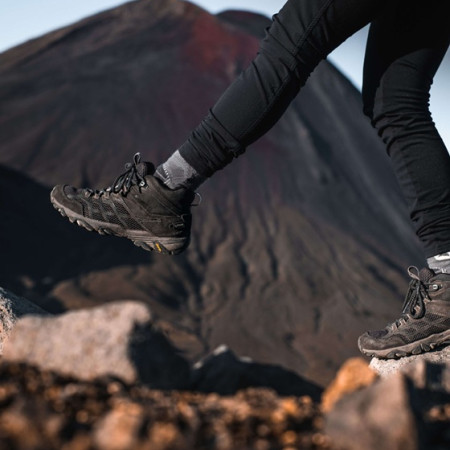
Photo credits: Hors-Piste
During exercise: adapt your intake to the effort
For a short activity in mild conditions, needs are generally modest. A 30 to 45-minute run, for example, does not necessarily require drinking during the effort if you are properly hydrated at the start.
As soon as the duration increases, the temperature rises or the intensity becomes high, the question deserves more attention.
On long outings, it is best to plan opportunities to drink regularly, depending on your thirst, how much you sweat and where you can refill. For some athletes, needs can reach several hundred millilitres per hour, but individual differences are significant. So there is no point trying to apply the same volume to everyone.
Beyond an hour to an hour and a half of exercise, and especially as the duration increases, a drink containing carbohydrates and sodium can also be useful. The carbohydrates mainly fuel the effort, while the sodium helps make up for part of the losses caused by sweating.
After exercise: replace losses and support recovery
Once the session is over, start drinking again gradually. If the effort was short and you did not sweat much, water is usually enough.
After a more demanding activity, combining a suitable drink with a snack can be helpful. Water replaces fluid losses, while food helps replenish energy stores and provides minerals.
For example, after a two-hour bike ride, you can drink regularly throughout the afternoon and plan a meal including starchy foods, a source of protein, vegetables and a normal amount of salt.
Nothing forces you to buy a specialised drink if your needs can be met by ordinary food and hydration!
Trail running and hiking: two activities that call for planning
Outdoor endurance efforts have a few specific features. In trail running, climbs sharply increase energy needs, while technical sections can make it harder to reach your water bottle. In hiking, the intensity is sometimes lower, but the activity can last a very long time.
The weather also plays an important role. In strong heat, fluid losses can rise quickly. Conversely, cold can dull the feeling of thirst, even though the body keeps losing water through breathing and sweating.
Before a long outing, it is therefore best to carry an amount of water suited to the route, identify refill points and adapt your intake to the day's conditions.
Managing sweat is not only about the amount of water lost. On a long walk, moisture building up in your shoes can also lead to rubbing and blisters. Choosing suitable hiking socks that wick moisture away effectively therefore helps keep you comfortable throughout the effort.
Finally, to go further in preparing your outings, take a look at our advice on recovering after a trail run and recovering after a hike.
Summary table: which water to choose for your activity?
| Situation | Which water to choose? | Key takeaway |
| Short, moderate session | Tap water or still water | Your usual hydration is generally enough |
| Intense session with heavy sweating | Still or mineral water, with suitable food | Replace losses gradually; sodium intake may help |
| Trail run or hike lasting several hours | Water, possibly with electrolytes and carbohydrates | Plan refill points and adapt intake to duration and weather |
| Exercise in strong heat | Cool or cold water, well tolerated | Drink regularly without exceeding your needs |
| After a long, very sweaty effort | Water and salty food, or a suitable drink | Account for both water and sodium losses |
| Recovery day | Tap, spring or mineral water, as you prefer | Return to normal, regular intake |
FAQ: water and sports recovery
What is the best water for recovering after exercise?
For most sessions, tap water or still water is perfectly suitable. After a long effort with heavy sweating, a mineral water containing sodium or a suitable sports drink can offer extra benefits.
Should you choose a magnesium-rich water after exercise?
Not necessarily. Magnesium contributes to normal muscle function, but a water high in magnesium does not necessarily speed up recovery and is not a universal remedy for cramps.
Is it dangerous to drink ice-cold water after a session?
For a healthy person, drinking ice-cold water is generally not dangerous. The key is to respect your digestive tolerance and avoid drinking large amounts too quickly, especially if it causes pain or nausea.
Is it advisable to drink salty water after a workout?
Not after a standard session. Extra sodium can be useful after a long, intense and very sweaty effort. In that case, a suitable drink or a normally salted meal is generally a better option than a homemade mix.
How do I know if I have drunk enough after exercise?
Reduced thirst, generally pale yellow urine and a return to how you usually feel are useful clues. After an effort that caused heavy fluid losses, comparing your weight before and after the session can also help estimate the deficit.
Does drinking more help you recover faster?
Not necessarily. Once your fluid losses have been replaced, continuing to drink large amounts does not automatically improve recovery. Too much water can even be dangerous, particularly after prolonged exercise. The best approach is to match your intake to your actual needs.
Which water for athletes? Key takeaways
There is no ideal water for every athlete and every situation. After a standard session, tap water or still water is usually enough to restore proper hydration. After several hours of exercise, especially when you have sweated heavily, sodium intake and the speed of rehydration may need more attention.
The key is to adapt your habits to the activity you do, rather than following overly general recommendations. Drinking regularly before, during and after exercise, listening to your body and taking the weather into account already help you avoid a lot of trouble.
Finally, remember that hydration is only one part of sports recovery. A suitable diet, quality sleep and a gradual return to training are just as important to help your body absorb the effort. Ultimately, the best strategy is not to wait until you are very thirsty to think about hydration, without trying to drink more than you need.
Main photo credit: Victor Biasetti.
Related posts

In sport, we readily talk about training, nutrition, hydration, stretching or equipment. Sleep,...

Photo: Trail des Cimes After a workout, we often think about the performance we delivered, the...

When temperatures drop, natural materials naturally come back into the spotlight. Sweaters,...

Cashmere is one of those materials spontaneously associated with softness, warmth, and a certain...

When it comes to trail running, there is a lot of talk about preparation, effort management,...
There was a time when high socks were associated with military uniforms, school wardrobes, or...

Some shoes immediately impose themselves, while others require a little more precision to reveal...

When a garment causes itching, redness, or a feeling of discomfort, we often tend to immediately...

Long appreciated for their practical side, socks have now become an essential accessory in any...

If you’re wondering what outfit you need for cross-country skiing, keep one simple idea in mind:...